Crayon SVG: Graphics for Crafts and Creative Projects
As a blog designer and digital publisher, I'm always on the lookout for high-quality graphic design assets that can elevate the visual appeal of content. Crayon SVG stands out as a versatile tool for creative professionals, especially those working in crafts, editorial design, and web design. With its crisp lines and playful aesthetic, it's ideal for projects that need a touch of whimsy without sacrificing quality.
The First Impression: Playful Yet Polished
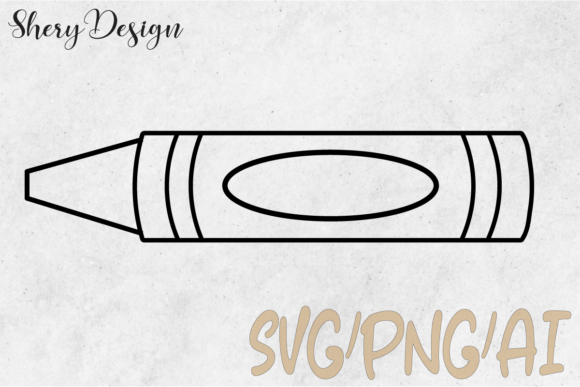
Crayon SVG immediately conveys a sense of creativity and approachability. The design feels like it belongs in an educational or lifestyle niche—perfect for blogs focused on kids' activities, school projects, or DIY crafts. Its hand-drawn style adds a personal touch, making it ideal for content that aims to feel warm and engaging rather than overly formal.
This asset is particularly effective in editorial design where visual storytelling matters. Whether used in a blog post about coloring activities or a guide on creating printable worksheets, Crayon SVG enhances the overall mood and helps readers connect with the content on a more emotional level.
Real-World Publishing Applications
For bloggers and content creators, Crayon SVG offers a wide range of uses. It can serve as a featured image for a post about creative learning, a Pinterest pin promoting a downloadable resource, or a header for a digital guide on art techniques. Its versatility makes it a valuable addition to any content marketing toolkit.
In the realm of social media graphics, Crayon SVG can be used to create eye-catching posts for platforms like Instagram or Facebook. It also works well as a Canva template, allowing users to quickly customize visuals without needing advanced design skills. For affiliate marketers, this asset can help create visually appealing product comparisons or tutorials that stand out in crowded feeds.
When it comes to website headers or category thumbnails, Crayon SVG brings a fresh, modern design that complements a variety of themes. It’s especially useful for small business branding, where a unique visual identity can make a big difference in how audiences perceive a brand.
Boosting Content Performance
One of the key benefits of using Crayon SVG is its ability to strengthen a first impression. In a world where attention spans are short, a strong visual can make all the difference in whether a reader clicks through or scrolls past. This asset supports clearer visual hierarchy by drawing the eye to important elements like headlines or call-to-action buttons.
It also contributes to better brand consistency across different content formats. Whether used in a newsletter banner, a downloadable printable, or a lead magnet, Crayon SVG maintains a cohesive look that reinforces brand identity. This consistency builds trust with readers, making them more likely to engage with future content.
For publishers who rely on affiliate marketing or paid content, having a reliable graphic design asset like Crayon SVG ensures that visuals remain professional and polished. It also helps with category recognition, making it easier for readers to navigate a site and find the content they’re looking for.
Where Crayon SVG Shines
Crayon SVG excels in areas where a friendly, creative tone is desired. It works well as a hero image for blog posts, a thumbnail for article graphics, or a Pinterest pin that grabs attention. In editorial layouts, it can serve as an accent element that adds visual interest without overwhelming the page.
It’s also great for content upgrades and downloadable resources. A printable worksheet with a Crayon SVG border or a downloadable checklist with a crayon icon can make a significant impact on user engagement. For eBook covers or digital guides, this asset adds a touch of personality that sets the content apart from the competition.
Where to Use It Carefully
While Crayon SVG is a powerful tool, it may not be suitable for every situation. On small mobile thumbnails, the detail might get lost, making it less effective. In text-heavy blog images, it could distract from the main message. Low-contrast backgrounds or busy layouts may also diminish its impact.
For serious professional niches or corporate content, Crayon SVG might feel too informal. Similarly, websites that rely on a minimal visual system may find this asset too decorative. It’s important to consider the tone and audience of the content before deciding to use it.
Publisher Notes: Testing and Optimization
Before incorporating Crayon SVG into a real publishing workflow, it’s essential to test it thoroughly. Preview it on both desktop and mobile screens to ensure it looks good at different sizes. Check how it appears as a thumbnail and within a real blog layout to see if it fits naturally.
Test it with headline text to ensure readability and contrast. Try it in black and white to see how it performs without color. Place it beside different font styles—serif, sans serif, script, handwritten, and display—to determine which combinations work best.
Review the file size for web performance, and compress images properly to maintain fast loading times. Most importantly, confirm the commercial license before using it on monetized websites, affiliate pages, or paid content products. This ensures compliance and avoids potential legal issues down the line.
Final Thoughts: A Must-Have for Creative Publishers
Crayon SVG is a valuable graphic design asset for anyone involved in content creation, especially those working in crafts, editorial design, or web design. Its playful yet professional look makes it ideal for a wide range of publishing needs, from blog graphics to social media visuals.
Whether you're creating a digital guide, a lead magnet, or a printable design, Crayon SVG can help elevate your content and make it more engaging. By carefully considering where and how to use it, you can maximize its impact and enhance the overall quality of your online presence.